

How Newspaper and Magazine Reading Boosts Communication Skills in Students & Youth.
In today’s fastpaced world, communication skills have become essential for success, especially for students & youth who are preparing to enter competitive environments. While technology offers various digital communication tools, traditional reading habitslike reading newspapers and magazinesremain a powerful way to develop and enhance communication abilities. This article explores how these reading practices influence and support effective communication skills, enriched by experiences and relatable stories. Effective communication is the foundation of personal and professional success. For students & youth, strong communication skills help in expressing ideas clearly, engaging confidently in conversations, improving academic performance, and building relationships. It goes beyond speaking; it includes listening, reading, writing, and critical thinking.
However, many young individuals struggle with articulating their thoughts or understanding complex ideas, especially in formal or professional contexts. Developing these skills needs consistent practice and exposure to quality and diverse language, which is where newspapers and magazines come into the picture. Newspapers have long been a vital source of information and language learning. Reading newspapers offers multiple benefits that contribute to communication skills.
- Enhancing Vocabulary and Language Usage : Newspapers expose readers to a wide range of vocabulary in contextnews reports, editorials, interviews, and feature stories use formal and sophisticated language. For instance, a student who reads about environmental issues regularly will gradually understand and use terms like “sustainable development” or “carbon footprint” confidently.
- Improving Comprehension and Analytical Skills : News articles present facts, opinions, statistics, and sometimes complex socio-political issues in digestible forms. When students analyze these stories, they hone their ability to grasp nuanced information, which is crucial when participating in debates or writing essays.
- Learning Structure and Style of Writing : Newspapers teach different writing stylesnews reports are straightforward and objective, while editorials use persuasive writing. Observing these styles helps students adopt appropriate tones in their communication.
- Magazines: A Rich Resource for Engaging and Varied Content : Magazines add an extra layer of engagement to reading habits, offering in-depth articles, stories, interviews, and visuals that appeal to youth interests. Here’s how magazines contribute differently.
- Encouraging Creative and Expressive Language : Magazines, especially those focused on arts, culture, and lifestyle, often use storytelling, humor, and metaphors. A teen reading an interview with a famous artist might pick up new ways to express ideas vividly and personally.
- Motivating Reading Through Interests : Since magazines cater to a variety of hobbies and fieldssports, fashion, technologythey motivate young readers to explore topics passionately, which naturally improves their willingness to communicate about those subjects.
- Building Confidence Through Role Models and Stories : Many magazines feature success stories, interviews with inspiring personalities, or youth columns. Reading these can encourage self-expression and belief in one’s voice.
- Real-Life Experience: How Reading Transformed a Student’s Communication : Consider Rahul, a college student from Bengaluru, who struggled with public speaking and writing during his freshman year. His communication was basic, and he found it challenging to articulate his thoughts in presentations or group discussions.
Rahul’s mentor suggested he start reading a daily English newspaper and a monthly youth magazine. Initially, Rahul found it tough to keep up. But over months, he noticed a significant change. Regular reading helped him learn new phrases and sentence structures. He began summarizing articles, which improved his writing skills. During class debates, he used facts and vocabulary he had picked up from editorial columns and feature articles. By the end of his second year, Rahul was not only confident but also recognized by his peers for clear and impactful communication. His story highlights how consistent engagement with newspapers and magazines can practically transform communication skills.
- Practical Tips for Students and Youth to Maximize Learning from Reading : To truly benefit from newspapers and magazines, readers should adopt specific habits.
- Set Daily or Weekly Reading Goals : Even 15-20 minutes daily can make a difference. For example, read the editorial or opinion section of a newspaper in the morning.
- Keep a Vocabulary Notebook : Note down new words and phrases with meanings, and try to use them in conversations or writing.
- Summarize Articles : Writing brief summaries or opinions on articles boosts comprehension and writing skills simultaneously.
- Discuss Articles with Peers or Mentors : Conversations about topics read deepen understanding and improve speaking skills.
- Choose Diverse Sources : Read a mix of local, national, and international newspapers; hobby and youth magazines; and online publications to gain broad perspectives.
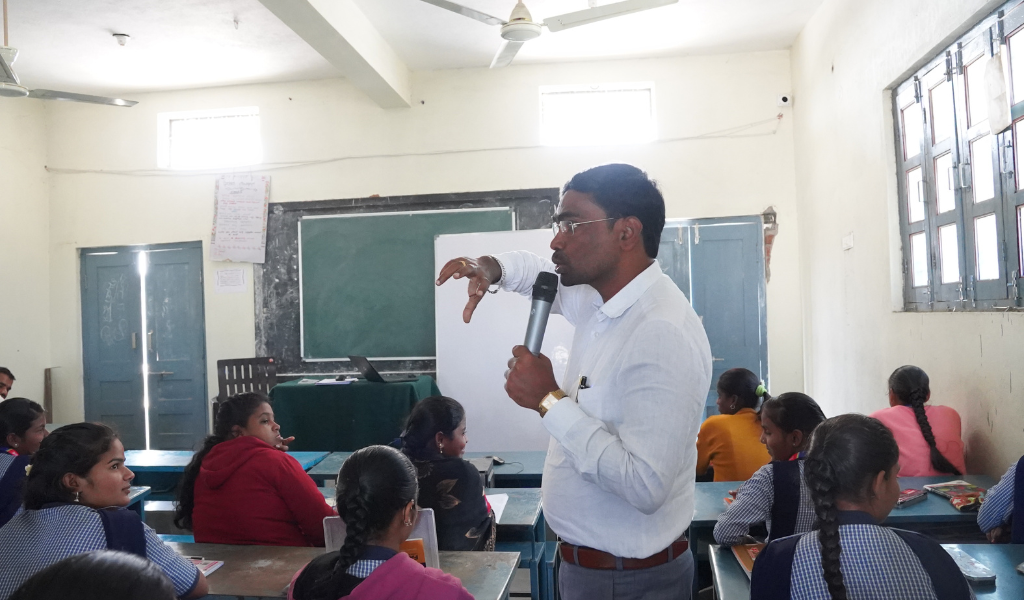
- The Role of Educators and Parents : Teachers and parents play a crucial role in encouraging this healthy habit. Implementing newspaper and magazine reading in school routines or home schedules educates students to value information and express themselves better.
For instance, classroom activities like newspaper reading sessions followed by group discussions or article writing competitions inspire students to improve their language and communication skills naturally.
The Digital Age: Newspaper and Magazine Reading Evolved
While printed newspapers and magazines remain popular, digital versions have made access easier and attractive to youth. Interactive e-papers and apps often include multimedia content that engages readers and makes learning dynamic. This integration of technology helps combine traditional reading benefits with modern communication forms such as blogging, social media posts, and digital presentations.
Cultivating Lifelong Communication Skills
Newspaper and magazine reading is more than just a habit; it is a powerful tool that shapes the communication abilities of students and youth by enriching language, broadening knowledge, and building confidence. Incorporating this practice into daily life prepares young people to express themselves effectively and thrive in a world that values clear, well-informed communication. Encouraging stories like Rahul’s and the proactive roles of educators show that nurturing this habit can bring transformative outcomes. So whether it’s the morning newspaper or the latest youth magazine, these reading materials remain indispensable allies for any student or young adult aspiring to master the art of communication.