
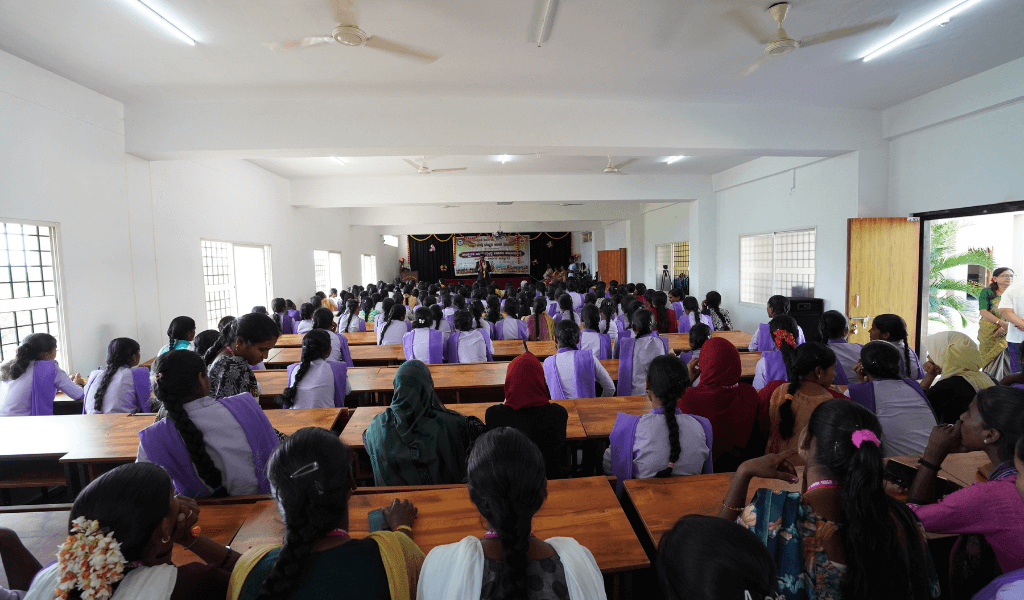

Mastering the Art of Public Speaking: A Key to Professional Growth
Public speaking is one of the most valuable skills a student or young professional can cultivate for their career and personal growth. It goes beyond simply speaking in front of an audience; it empowers individuals to express ideas clearly, build confidence, and open doors to countless opportunities. Drawing from experience working with students and youth from diverse backgrounds, this article explores the deep importance of public speaking and how it shapes career success.
At the heart of every profession lies communication. Whether presenting a project, leading a team, negotiating with clients, or networking with peers, the ability to speak effectively influences outcomes and impressions. For students and youth, public speaking marks a critical stepping stone from learning concepts privately to sharing them confidently with others. It transforms shy or unsure individuals into persuasive communicators who can inspire and lead.
It allows them to explain complex ideas, collaborate with peers, and influence others positively. Without it, knowledge stays fragmented and isolated, causing missed opportunities and misunderstanding.Youth, standing at the cusp of change, depend heavily on communication to shape their identities, ambitions, and relationships. It gives them the confidence to stand up for their beliefs, the clarity to express dreams, and the compassion to listen to others. In a diverse community, communication is the thread that weaves individual stories into a collective tapestry, creating harmony amidst differences.The general public, too, relies on communication every day whether to advocate for rights, share information, or foster social connections. Good communication empowers people to participate actively in democratic processes, voice concerns effectively, and build trust with neighbors. Without it, confusion and conflict escalate, and social cohesion weakens.Yet, communication is not without its challenges. Many students feel shy or anxious, fearing judgment or rejection.
Experience shows that many young people initially fear public speaking. They worry about stumbling, being judged, or not knowing the right words. This fear can create a barrier to participating fully in academics, extracurricular activities, and professional development. However, overcoming this fear is key. One student’s journey illustrates this: she was hesitant to speak in class, preferring silence to spotlight. With encouragement from a teacher and consistent practice in small group discussions, she gradually built her confidence. Soon, she was presenting complex topics, engaging her peers, and even winning public speaking competitions.
This transformation is no accident. Public speaking develops several critical competencies that directly influence career growth:
- Confidence : Standing before an audience and delivering ideas clearly builds self-assurance. Confidence gained through public speaking translates into courage when facing job interviews, client meetings, or leadership roles. Employers value individuals who can communicate persuasively and handle pressure calmly.
- Clarity and Organization : Crafting a speech or presentation requires organizing thoughts logically and conveying messages simply. This skill improves overall communication and critical thinking—abilities essential for problem-solving and decision making in any career.
- Listening and Empathy : Effective public speaking is a conversation, not a monologue. Learning to engage an audience means reading their reactions, adapting messages, and showing respect for diverse viewpoints. These qualities foster teamwork and relationship-building.
- Persuasion and Leadership : Public speaking empowers individuals to influence others’ opinions, motivate action, and lead groups. Enhancing these skills early on prepares youth for managerial positions and community roles.
- Networking and Opportunities : The ability to speak confidently in public opens doors to networking at conferences, workshops, and social events, creating pathways to mentoring, partnerships, and career advancement.
From personal experience as a trainer working with youth, the most meaningful growth comes from regular practice combined with supportive feedback. Public speaking workshops that encourage positive reinforcement and constructive critique help learners overcome anxiety and improve steadily. Group discussions, storytelling sessions, and mock presentations simulate real situations, making learning dynamic and practical.
Technology offers modern tools to sharpen public speaking skills. Recording oneself and reviewing videos can highlight strengths and areas to improve. Virtual meetings and webinars also provide platforms to practice in diverse settings, building versatility and adapting to evolving communication channels.
Yet public speaking is not merely about technique; it’s about genuine connection. The message resonates strongest when speakers are authentic and passionate. Youth who tap into their unique experiences and perspectives create powerful narratives that inspire audiences. For example, a young environmental activist sharing a personal story about local water conservation can motivate community action more effectively than simply stating facts. Challenges like stage fright, cultural barriers, or lack of vocabulary should never discourage students or youth. Instead, they are stepping stones. Learning basic breathing exercises, visualization, or simple storytelling frameworks can ease nervousness. Joining clubs like debate or drama, or participating in community forums, provides practical exposure that builds resilience.
Institutions and mentors have a critical role in fostering public speaking skills. Schools and colleges should integrate communication training into curricula and provide safe spaces for expression. Community programs and youth organizations can offer platforms for practice and leadership development. Creating a culture that values and rewards effective communication encourages more young people to step forward confidently. In today’s competitive and globalized world, careers increasingly demand strong interpersonal communication. Technical knowledge alone is rarely enough. Whether in science, business, arts, or social sectors, the ability to articulate ideas, negotiate, and inspire is invaluable. Public speaking equips youth with these skills early, positioning them as leaders and innovators.
Moreover, public speaking fosters lifelong learning and adaptability. Each speech or presentation is a chance to research, synthesize information, and think creatively. It nurtures curiosity and open-mindedness, essential traits for navigating fast-changing professional landscapes. The importance of public speaking for students and youth in their careers cannot be overstated. It builds confidence, hones critical thinking, enhances leadership, strengthens relationships, and creates pathways to success. From experience, the journey to becoming a confident speaker begins with small, intentional steps supported by encouragement and practice. As young people embrace this skill, they not only prepare themselves for rewarding careers but also contribute positively to their communities and society. Investing time and effort into public speaking today is an investment in a brighter, more connected tomorrow.