
The Power of Communication: Unlocking Success for Students, Youth and General public
Communication is the bridge that connects human minds and hearts. It shapes how ideas travel, relationships form, and societies progress. For students, youth, and the general public, the ability to communicate effectively is not merely a skill; it is an essential tool that defines success, understanding, and coexistence.
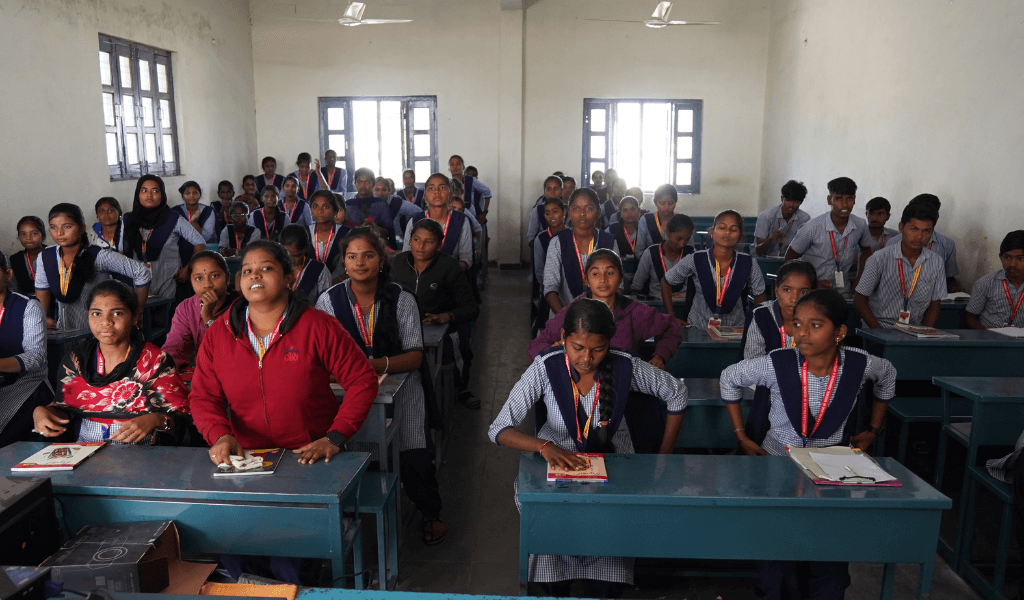
Imagine a classroom where students sit silently, afraid to voice their ideas or questions. The silence is heavy, ideas remain locked within, and the room misses the rich potential of collective thought. Now picture that same room alive with voices curious questions, confident presentations, debates filled with respect and insight. This transformation stems from one basic, yet profound ability communication. It is more than just speaking words; it is about connecting, sharing, and understanding.At its core, communication is the process of exchanging information through speaking, writing, gestures, or even silence. It is as much about listening as it is about expressing. For students, effective communication is the foundation of learning and growth.
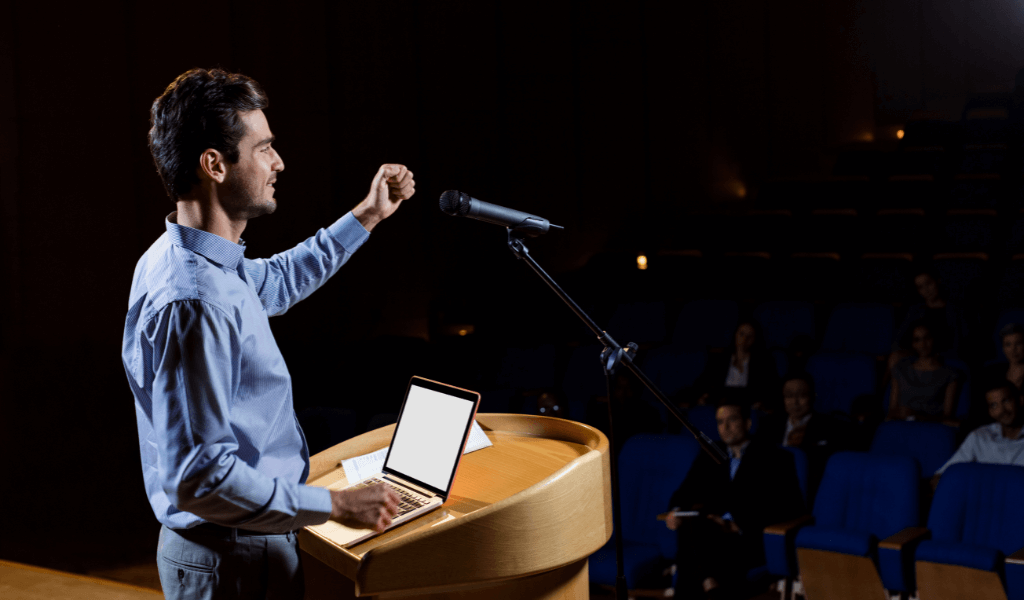
It allows them to explain complex ideas, collaborate with peers, and influence others positively. Without it, knowledge stays fragmented and isolated, causing missed opportunities and misunderstanding.Youth, standing at the cusp of change, depend heavily on communication to shape their identities, ambitions, and relationships. It gives them the confidence to stand up for their beliefs, the clarity to express dreams, and the compassion to listen to others. In a diverse community, communication is the thread that weaves individual stories into a collective tapestry, creating harmony amidst differences.The general public, too, relies on communication every day whether to advocate for rights, share information, or foster social connections. Good communication empowers people to participate actively in democratic processes, voice concerns effectively, and build trust with neighbors. Without it, confusion and conflict escalate, and social cohesion weakens.Yet, communication is not without its challenges. Many students feel shy or anxious, fearing judgment or rejection.
Youth often face distractions from technology, cultural conflicts, and gaps in vocabulary or confidence. The general public may struggle with misinformation, language barriers, or simply a lack of forums where voices can be heard. These hurdles can create walls where bridges should be built.
Consider Meera, a young student from a small town, who struggled to speak up in class. Her ideas were bright, but fear dimmed their light. One day, encouraged by a teacher who helped her practice small conversations and presentations, Meera began opening up. Each small step built her confidence, and soon she was leading group discussions and even inspiring others. Her story is a testament to how communication skills can transform lives.From personal experience, one of the most powerful lessons about communication comes from participating in group discussions and public speaking events. At first, the nervousness can feel overwhelming the fear of stumbling over words or being misunderstood.
But through persistent practice, listening to others, and receiving constructive feedback, the anxiety lessens and genuine connections grow stronger. It becomes clear that communication is less about perfection and more about sincerity and openness.Building the best communication skills requires deliberate practice and patience. It starts with listening carefully. True communication always begins by hearing not just words but feelings and intentions. When people feel listened to, they open up honestly. Next comes clarity choosing words that convey thoughts simply and accurately, avoiding misunderstandings.Practicing conversation regularly, whether through group activities, storytelling, or public speaking, helps break the fear of expression. Reading widely and writing thoughts down deepen vocabulary and sharpen ideas. Equally important is empathy the ability to understand and respect different perspectives, which fosters harmony and reduces conflict.
In community settings, creating safe spaces for dialogue encourages diverse voices and strengthens social bonds. When youth come together to share stories or community members gather to solve local issues, communication acts as the catalyst for change and cooperation.
Technology is often seen as a barrier, but it also offers incredible opportunities to connect across distances, cultures, and generations. Using these tools wisely balancing online interaction with face-to-face conversations can enhance communication skills for everyone.In essence, communication is the lifeline of progress. For students, it nurtures intellect and confidence. For youth, it molds identity and activism. For the public, it fuels democracy and unity. By embracing challenges and committing to constant practice, individuals and communities can unlock the full power of communication. As the poet Ralph Waldo Emerson once said, "Speech is power: speech is to persuade, to convert, to compel." Imagine the possibilities when every student, every young person, and every member of society harnesses that power not just to speak but to connect deeply with those around them. The ripple effect of good communication can transform classrooms, communities, and ultimately, the world itself.