Relaxation Techniques for Stress Management
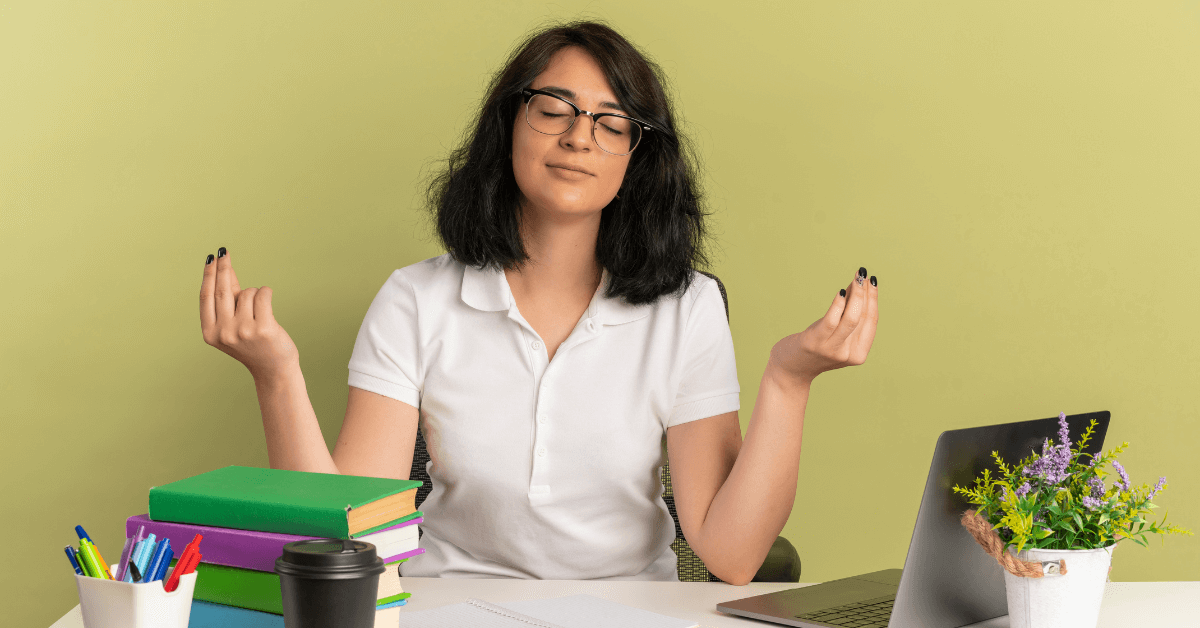
Relaxing in the Midst of Stress
Stress management is an important practice that most people nowadays need to learn. With a fast paced working environment, people are constantly subjected to tremendous pressure that result to unpleasant levels of stress in their lives. You need to be able to cope quickly with the amount of stress that you have to deal with since it produces several negative effects on your body and mind.
Stress can cause your performance to drop because of your inability to focus on tasks. It can also affect your health and escalate into depression or anxiety. Relaxation is one of the best techniques to cope with stress, proven effective since ancient times.
Learning how to relax in the midst of everyday stress can make a significant difference in your quality of life.
Starting a Relaxation Practice
Starting a relaxation practice is often the biggest hurdle. If you notice mood swings or low energy, it may be time to re-evaluate stress in your life. Relaxation activities can range from deep breathing and stretching to yoga or tai chi.
To experience the full benefits, dedicate time daily — even 10 to 20 minutes can make a difference.
- Set a fixed daily schedule for relaxation.
- Avoid scheduling relaxation too close to bedtime.
- Choose methods that feel comfortable and calming.
Stress Relief Through Deep Breathing
Deep breathing is one of the simplest and most effective stress relief exercises. It allows fresh air into your lungs and calms your mind.
- Sit straight with one hand on your chest and the other on your stomach.
- Breathe through your nose, allowing your stomach to rise.
- Keep chest movement minimal.
- Exhale slowly through your mouth.
- Repeat and observe your breathing rhythm.
Muscle Relaxation, Yoga and Meditation
Muscle relaxation involves tensing and relaxing different muscle groups to release stress. Start by taking slow deep breaths, then create tension before gradually releasing it. Begin from your feet and work upward.
Yoga and meditation involve slow movement, gentle stretching, and controlled breathing. These practices help relieve both physical and mental tension.